Belief 01
AI is not the point.
Efficiency is useful, but it is not the measure of a good decision. What matters is how people use AI, who carries the consequences, and whether the choice reflects what they value.
About Mother AI
AI makes efficiency easier. It also asks more of us.
To question what sounds convincing. To decide what should be handed over and what should remain human. To know when convenience is helping and when it is quietly making the decision for us.
Mother AI helps people build the confidence, judgment, and everyday habits to make those choices for themselves.
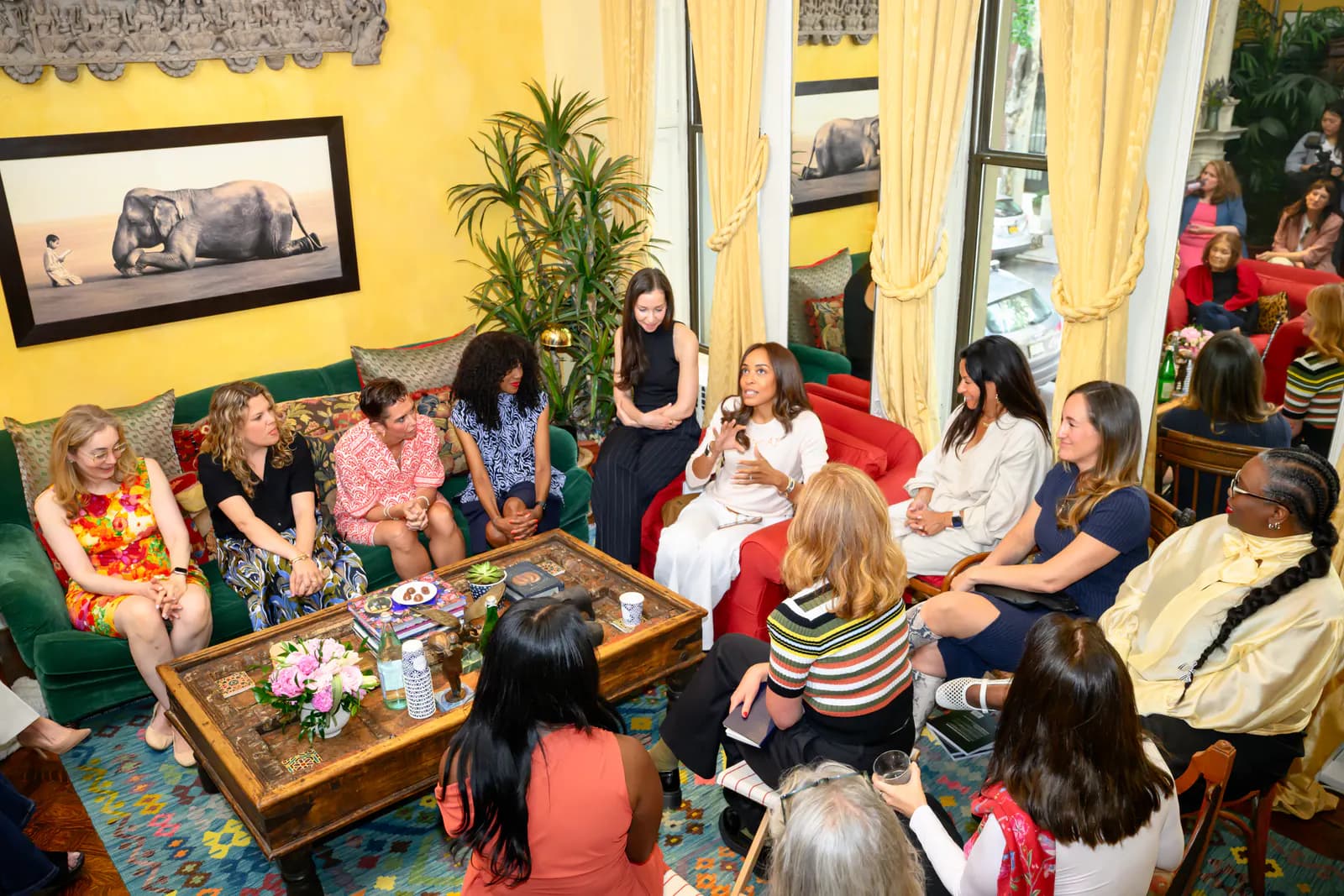
Most people are introduced to AI through work, tools, and productivity.
But the questions that matter do not end with the workday. They show up in our homes, our relationships, our schools, our healthcare, and the decisions being made in our communities.
Mother AI connects those conversations and helps people understand what to use, what to question, and where AI belongs.
Belief 01
Efficiency is useful, but it is not the measure of a good decision. What matters is how people use AI, who carries the consequences, and whether the choice reflects what they value.
Belief 02
Tools will change. Clear thinking, better questions, discernment, and sound decision-making will keep mattering wherever AI shows up: at work, at home, and in the institutions shaping our lives.
Belief 03
You cannot make a values-aligned decision about AI if you do not understand how it works, where it is showing up, or what may be decided for you. Being informed gives you the power to choose where to lean in, where to question, and where to draw the line.
Belief 04
AI can offer an answer, but it cannot decide what deserves our trust, what reflects our values, or what should remain ours to do. Human judgment carries the responsibility for the choice and its impact.
A note from Stephanie

AI was already entering our work, our home, our children's schools, and the decisions we make every day. I don't believe we need to use all of it. But I knew we couldn't make thoughtful choices about something we did not understand.
I spent 25 years in corporate America, including more than 11 years at Google, inside one of the companies defining the AI era. Today, I bring my expertise and perspective into rooms where decisions about AI, education, literacy, and policy are made at a global scale. I shape the questions being asked, challenge the assumptions behind them, and influence the standards and expectations that schools, institutions, governments, and communities will inherit.
That vantage point allows me to see both the individual experience and the greater call of this moment.
I see the enormous potential of AI. I also see how quickly a decision made in a boardroom, policy meeting, product team, or institution can enter someone's workplace, classroom, home, or healthcare experience before they have had the chance to understand what changed.
The more I learned and the more I saw, the clearer the gap became.
The people building, buying, and governing AI were often in one room. The people expected to use it, trust it, teach with it, parent through it, and live with its consequences were somewhere else.
The problem was not simply access to AI. It was access to understanding.
That is why I built Mother AI.
Mother AI closes the distance between the rooms where AI is being shaped and the people whose lives it is shaping. I translate what is happening, surface what is being decided, and equip people with the understanding to act.
Because understanding creates agency.
When people are informed, they can decide where to lean in, where to question, and where to draw the line. They can make choices grounded in their own values instead of simply accepting the choices made for them.
What began with my family became a much larger commitment: building a more informed public, prepared to participate in one of the most consequential shifts of our time.
Speaking, workshops, advisory work, and partnerships for organizations making decisions about AI and the people those decisions affect.
Mother AI is the family lens on AI. We translate what is happening in AI into the choices people make at work, at home, and in their communities. Through the Family Read, Conversation Cards, speaking, workshops, and advisory work, Mother AI gives people the understanding to decide where to lean in, where to question, and where to draw the line.
Decisions about AI are moving from technology companies, employers, schools, healthcare systems, and governments into people’s everyday lives before many have had the chance to understand what changed. Mother AI closes the distance between the rooms where AI is being shaped and the people whose lives it is shaping.
Mother AI is for families, leaders, schools, companies, nonprofits, and public institutions that want to make informed, values-aligned decisions about AI. It is not only for mothers. Maternal instincts are the lens: care, judgment, protection, and responsibility for how decisions affect people.
Most AI education starts with the tools. Mother AI starts with the people. We connect what is happening across work, home, and community and focus on judgment, trust, agency, and real-life consequences. The goal is not to push people toward AI or away from it. It is to give them enough understanding to choose for themselves.
Families can begin with the free Mother AI Family Read to see where AI is already affecting their household and what deserves attention first. Individuals and groups can use the Mother AI Conversation Cards to rethink assumptions and open honest conversations. Organizations can use the Bring Mother AI In form to inquire about speaking, workshops, advisory work, and partnerships.
Stephanie LeBlanc-Godfrey is the founder and CEO of Mother AI. An electrical engineer by training, she spent 25 years in corporate America, including more than 11 years at Google. Today, she focuses on what happens when AI moves beyond the workplace and begins shaping our homes, schools, institutions, and everyday decisions.
Stephanie created Mother AI after seeing a growing distance between the rooms where AI is being shaped and the people expected to live with its consequences. What began as a need to understand AI for her own family became a larger commitment to give people the understanding they need to make informed, values-aligned decisions.
During 11 years, 6 months, and 11 days at Google, Stephanie led global work across inclusion, employee communities, and external partnerships. She created and scaled initiatives for women of color, parents, caregivers, and other communities across the company. That experience shaped how she thinks about adoption, access, culture, and who gets included when technology changes how people work and live.
Stephanie brings her expertise into rooms where decisions about AI, education, literacy, and policy are made. She serves on the NYC Public Schools AI Advisory Council, Common Sense Media's NYC Council, and the board of the Stevens School of Engineering. In those rooms, she shapes the questions, challenges assumptions, and influences the standards that schools, institutions, and communities will inherit.
Stephanie is available for keynotes, workshops, advisory engagements, and partnerships with companies, schools, nonprofits, and public institutions. Use the Bring Mother AI In form and share your audience, timing, and the decision or conversation you need to move.